War · 1945
Atomic bombings of Hiroshima and Nagasaki
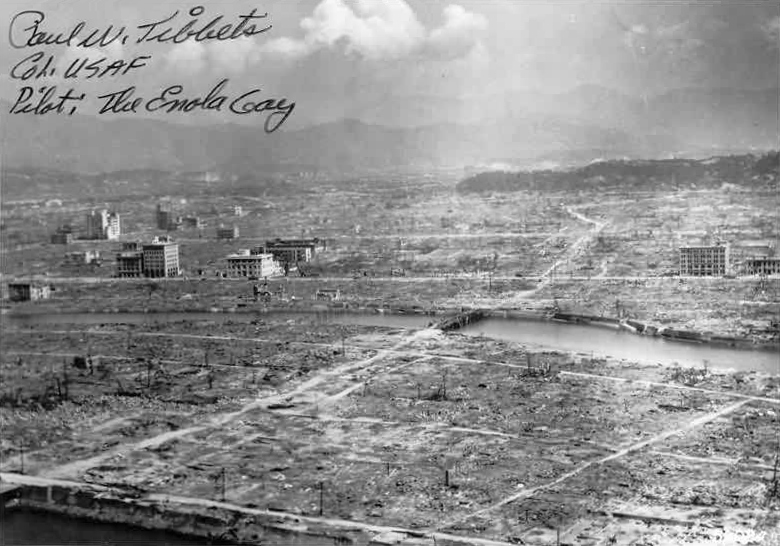
Hiroshima, Japan
On 6 August 1945 a US B-29 bomber dropped 'Little Boy', a uranium bomb, on Hiroshima, and three days later 'Fat Man', a plutonium bomb, on Nagasaki. By the end of 1945 the bombings had killed an estimated 150,000 to 246,000 people, most of them civilians.
Japan announced its surrender on 15 August, six days after Nagasaki and the Soviet Union's declaration of war and invasion of Manchuria, and signed the instrument of surrender on 2 September.
Why it mattered
They remain the only uses of nuclear weapons in an armed conflict, and they opened the nuclear age.
Related
- The world in 1945: Victory, Ruin and the Atom chapter
- The Holocaust previous moment · 1941–1945
- The United Nations is founded next moment · 1945